
Cooking shouldn't kill: the gendered crisis of household air pollution
Published on 13 Jan, 2026
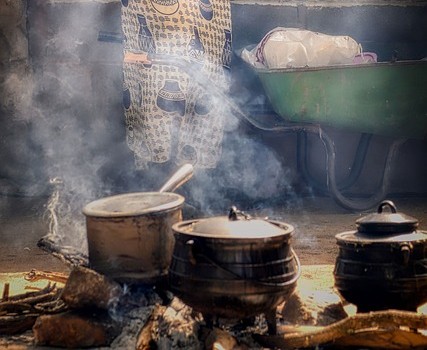
The silent killer in the kitchen
For millions of women across Nigeria and sub-Saharan Africa, the daily act of preparing a meal is a hazardous endeavor. It is a ritual often performed in poorly ventilated kitchens or enclosed spaces, hunched over open fires or inefficient stoves fueled by biomass—wood, charcoal, kerosene, or crop waste. While the aroma of food may signal sustenance and care, the thick, acrid smoke that accompanies it signals a silent and deadly crisis. This is Household Air Pollution (HAP), a pervasive threat that claims over 463,000 preventable lives annually in Africa alone.
The burden of this crisis is not shared equally. It is deeply gendered, falling disproportionately on the shoulders of women and girls who, due to traditional societal roles, bear the primary responsibility for cooking and household management. They are the ones breathing in the toxic fumes for hours each day, often with young infants strapped to their backs or playing at their feet. This prolonged exposure to particulate matter and noxious gases is effectively a slow poisoning, turning the kitchen—the heart of the home—into a locus of disease and premature death.
A gendered health catastrophe: non-smoker’s COPD and beyond
The health consequences of inhaling biomass smoke are severe and far-reaching. The smoke contains a complex mixture of pollutants, including fine particulate matter (), carbon monoxide, and nitrogen oxides, which penetrate deep into the lungs and bloodstream. For women who have never smoked a cigarette in their lives, decades of cooking over open fires can lead to chronic respiratory conditions typically associated with heavy smoking.
Chronic obstructive pulmonary disease (COPD) is a major concern. Often referred to as "Non-Smoker’s COPD" in this context, it debilitates women, causing chronic cough, breathlessness, and irreversible lung damage. The constant irritation from smoke also heightens the risk of asthma, with studies indicating that hormonal changes during menopause can further alter asthma control and symptom sensitivity in women exposed to these environmental triggers.
Beyond respiratory illnesses, the insidious reach of HAP extends to cardiovascular health. The fine particles can inflame blood vessels and raise blood pressure, contributing to a higher incidence of heart disease and stroke among women. Alarmingly, in Nigeria, premature deaths attributable to air pollution now exceed those from malaria and are more than double those caused by HIV/AIDS. This statistic starkly illustrates that the air women breathe in their own homes is often more lethal than the infectious diseases that historically dominated public health concerns.
The burden on the unborn and the young
The crisis does not stop with the women; it is passed down to the next generation. Pregnant women exposed to HAP face higher risks of adverse pregnancy outcomes, including low birth weight and stillbirths. For infants and young children, whose lungs and immune systems are still developing, the impact is devastating.
Nigeria has the tragic distinction of having the highest number of air pollution-related pneumonia deaths in children under five globally. The smoke they inhale daily leaves them vulnerable to acute lower respiratory infections, stunting their lung growth and setting them up for a lifetime of health challenges. The proximity of young children to their mothers during cooking times means they are passive victims of this "kitchen killer" from their very first breaths.
Unlocking a cleaner future: the path to clean cooking
The solution to this gendered health crisis lies in a transition to clean cooking energy. Moving away from solid fuels to cleaner alternatives like Liquefied Petroleum Gas (LPG), biogas, or electric stoves can drastically reduce exposure to harmful emissions. Initiatives distributing improved cookstoves have shown promise in reducing smoke and fuel consumption, offering an immediate, albeit partial, relief.
However, the barriers to adoption—cost, access, and lack of awareness—remain significant. Innovative programs like those by Solar Sister are tackling this by empowering women entrepreneurs to distribute clean energy products in their communities, framing clean cooking not just as a health necessity but as a tool for economic empowerment.
Conclusion
Household Air Pollution is more than a health issue; it is a matter of gender justice and equity. No woman should have to sacrifice her health to feed her family. Addressing this crisis requires urgent, coordinated action from policymakers, the private sector, and civil society to make clean cooking solutions affordable and accessible to every Nigerian household. It is time to clear the smoke and ensure that the kitchen becomes a safe space for women and children to thrive, not just survive.
References
- UNDP. (n.d.). Beyond Stoves: Unlocking the Clean Cooking Economy.
- Clean Tech Hub. (n.d.). Living Breathless: A Journey Through Asthma, Gender Disparities, and Environmental Health in Nigeria.
- Healthy Air Nigeria. (n.d.). Every Minute Counts: How Indoor Air Pollution is Silently Fueling Stroke Risks in Nigeria.
- Abatable. (n.d.). Paris 2024: Project Nigeria Cookstoves.
- Clean Air Fund. (n.d.). Clean Air Africa's Cities: Lagos.
- Solar Sister. (n.d.). Clean Cooking, Healthy Homes: 2,200 Households in Ogun State, Nigeria Receive Clean Cookstoves.